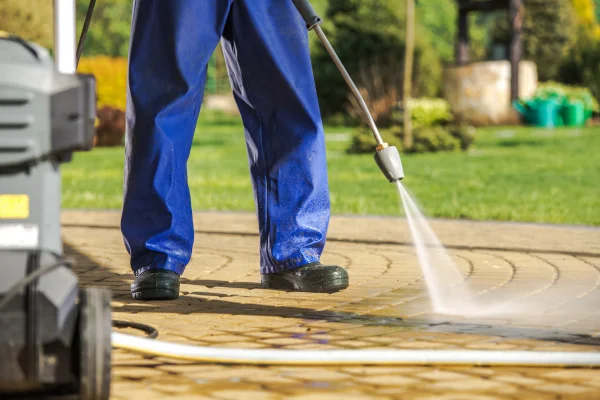
Why Do Tire Marks Stay Visible on Driveways After Regular Cleaning?
You wash your driveway, rinse away the dirt, and everything looks cleaner. But once the surface dries, those dark tire marks are still there. Sometimes, they seem just as noticeable as before.
Tire marks stay visible on driveways after regular cleaning because they are not always ordinary dirt. Heat, friction, rubber compounds, and road residue can leave deposits that cling to concrete or settle into its tiny pores. A quick rinse or routine surface cleaning may remove dust without fully lifting those deposits.
For homeowners in Gilbert, AZ, understanding what causes stubborn tire marks can help determine whether a simple cleaning is enough or a more targeted approach is needed.
Why Tire Marks Stick to Concrete Driveways
Every time a vehicle enters or leaves your driveway, its tires make direct contact with the surface. That contact becomes more noticeable when a vehicle turns sharply, brakes, or remains parked in the same location.
Several factors make tire marks difficult to remove.
Rubber Compounds Transfer to the Surface
Vehicle tires contain rubber, carbon black, oils, and other compounds designed to provide traction and durability.
As tires roll, turn, and experience friction, small amounts of material can transfer onto the driveway. These deposits may leave dark streaks, curved patterns, or patches where vehicles frequently park.
Unlike loose dust, rubber residue can adhere to the concrete and resist ordinary rinsing.
Concrete Has a Porous Surface
Concrete may look smooth, but it contains tiny pores and surface irregularities.
Rubber residue, oils, and other contaminants can collect in these openings, particularly on older or worn driveways.
A garden hose may remove dirt sitting on top of the concrete without reaching the material trapped in its texture.
Heat Makes Rubber Transfer More Noticeable
Gilbert's hot summers can contribute to the problem.
As pavement temperatures rise, tire rubber becomes warmer and more flexible. Combined with friction from steering and braking, this can increase the likelihood of visible deposits.
Vehicles parked in direct sunlight may also leave more noticeable marks, especially when tires repeatedly contact the same areas.
Heat alone does not cause every tire stain, but it can make driveway maintenance more challenging in Arizona.
Why Regular Driveway Cleaning Does Not Always Remove Tire Marks
One common misconception is that a driveway should look completely stain-free after being washed.
Regular cleaning removes many surface contaminants, but not every stain responds to the same treatment.
Water Alone Cannot Break Down Every Residue
A garden hose is useful for rinsing away loose dirt, sand, and dust.
However, water alone may not loosen stubborn rubber deposits, particularly when they have remained on the concrete for an extended period.
Even repeated rinsing can leave the darker marks untouched.
General Cleaning Products May Not Target Rubber
Household cleaners are not necessarily formulated to remove tire residue from concrete.
Some products are effective against dirt or organic buildup but have limited effect on rubber compounds and embedded road grime.
Choosing a cleaner designed for the specific stain and compatible with the driveway material is more useful than repeatedly applying a general-purpose product.
Cleaning Pressure May Not Be Enough
A light surface wash may improve the overall appearance of a driveway while leaving heavily marked sections behind.
Professional driveway pressure washing in Gilbert can help address stubborn buildup using appropriate equipment and cleaning techniques.
However, pressure alone is not a guarantee of complete removal. Deeply embedded stains, deteriorated concrete, or damaged sealants may require a different approach.
The Difference Between Tire Marks, Oil Stains, and Concrete Discoloration
Before attempting another cleaning, identify what you are actually seeing.
Not every dark mark near a parked vehicle comes from tire rubber.
Rubber Tire Marks
These usually appear as dark lines, arcs, or patches that follow the path of a vehicle's tires.
They are often most noticeable near garage entrances, turning areas, and parking spaces.
Oil and Automotive Fluid Stains
Oil stains usually appear as irregular spots or patches beneath parked vehicles.
They may look darker than rubber marks and sometimes have a greasy appearance.
Because oil can penetrate concrete, removing these stains may require a suitable degreasing product rather than ordinary pressure washing alone.
Permanent Surface Discoloration
Concrete can develop uneven coloring through weathering, wear, previous chemical exposure, or changes in its surface finish.
If the discoloration remains after appropriate cleaning, the issue may involve the concrete itself rather than material sitting on top.
Recognizing the difference helps prevent unnecessary cleaning attempts.
How to Remove Stubborn Tire Marks From a Driveway
The right removal method depends on the driveway material, age, condition, and severity of the marks.
A measured approach is usually safer than immediately using aggressive chemicals or maximum water pressure.
Start With a Gentle Surface Cleaning
Remove loose debris with a broom and rinse the affected area.
This helps you see the stain more clearly without surrounding dust and dirt.
For very light marks, a mild cleaner approved for the surface and a soft or medium-bristle brush may be sufficient.
Avoid abrasive tools that could scratch coatings or alter the driveway's finish.
Use a Cleaner Suitable for Concrete
When marks remain, a product intended for concrete cleaning may help loosen the residue.
Always check the manufacturer's instructions and test a small, inconspicuous section before treating a larger area.
Do not combine different cleaning chemicals in an attempt to make them stronger.
Consider Professional Pressure Washing
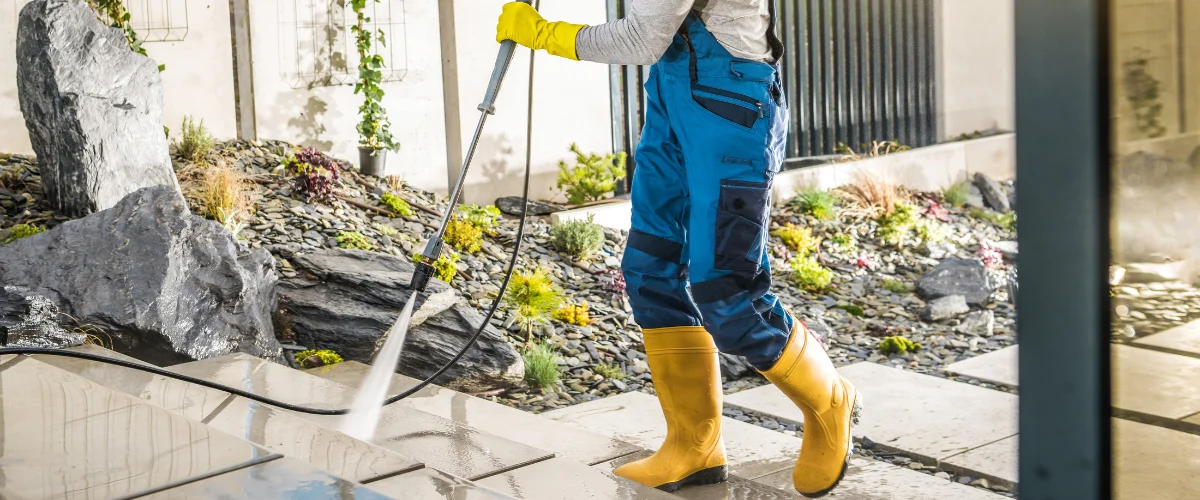
Pressure washing can remove buildup that ordinary rinsing leaves behind.
At The Trash Can Cleaning Company, we provide driveway pressure washing as part of our exterior cleaning services throughout Gilbert and surrounding Arizona communities.
Our approach focuses on cleaning dirt, grime, and stains while using methods suited to the surface being treated.
Some deeply embedded tire marks may remain visible even after professional cleaning, particularly when discoloration has penetrated the material or the surface has deteriorated.
Can Pressure Washing Damage a Concrete Driveway?
Yes. Although concrete is durable, it can be damaged by excessive water pressure, an unsuitable nozzle, or improper cleaning technique.
Concentrating a powerful water stream in one location may remove surface paste, expose aggregate, or leave permanent cleaning lines.
The risk can be greater with:
Older concrete that is already deteriorating
Recently installed concrete that has not sufficiently cured
Decorative or colored concrete
Sealed surfaces with vulnerable coatings
Cracked, flaking, or weakened areas
For these surfaces, the cleaning method should be selected carefully.
The goal is to lift unwanted deposits without changing the appearance or texture of the driveway itself.
How Gilbert's Climate Affects Driveway Tire Marks
Driveways in Gilbert face a combination of intense sunlight, high summer temperatures, dry conditions, and seasonal dust.
These factors influence how quickly an outdoor surface becomes dirty and how noticeable existing stains appear.
Dust can settle over tire deposits, making the affected areas look dull or uneven. When loose dust is removed, the original rubber marks may become more visible against the cleaner concrete.
Vehicles also travel over hot pavement for much of the summer, which can contribute to residue transfer in frequently used parking and turning areas.
Seasonal cleaning can help manage surface buildup, but tire marks may need specific attention rather than another general rinse.
Does Driveway Sealing Help Prevent Tire Marks?
A concrete sealer may help reduce the penetration of certain stains, but sealing does not guarantee that tire marks will disappear or stop forming.
In fact, some film-forming sealers can develop dark marks when compounds from hot tires interact with the coating.
This is sometimes called hot tire pickup or hot tire marking.
The results depend on the type of sealer, the concrete's condition, and the amount of vehicle traffic.
Before sealing your driveway, consider the following:
Sealer compatibility: Choose a product intended for your particular concrete surface.
Tire resistance: Look for coatings specifically designed to resist hot tire marking.
Existing stains: Remove surface contaminants before applying a sealer.
Maintenance requirements: Understand the manufacturer's application and reapplication instructions.
If tire marks are already embedded in an existing sealer, cleaning alone may not restore the original appearance.
Useful Products and Resources for Removing Driveway Tire Marks
Choosing the right cleaning product can make a difference, especially when standard washing has not worked.
These resources provide helpful information about concrete maintenance and stain removal.
PROSOCO Cleaner/Degreaser
PROSOCO Cleaner/Degreaser is formulated to address grease, oil films, rubber tire marks, and scuffs on concrete floors.
It is worth researching when dealing with rubber-related staining. Confirm its suitability for your outdoor driveway and any existing coating before using it.
QUIKRETE Concrete Cleaning Products
QUIKRETE provides guidance on cleaning and preparing concrete surfaces, including the use of cleaning and degreasing products.
Its instructions can help homeowners understand why surface preparation matters before applying protective finishes.
Concrete Network Driveway Cleaning Guide
The Concrete Network driveway cleaning guide explains common driveway stains, including hot tire marks, oil deposits, and discoloration affecting concrete sealers.
It is particularly useful for understanding when a mark can be cleaned and when an existing coating may need further attention.
Always follow product labels, wear appropriate protective equipment, and avoid mixing cleaning chemicals.
How to Keep Tire Marks From Returning Quickly
Completely preventing tire marks may not be realistic, especially on driveways used daily. However, a few habits can reduce buildup and make maintenance easier.
Avoid Turning the Steering Wheel While Stationary
Turning your steering wheel while the vehicle is stopped creates friction between the tires and concrete.
This movement can contribute to curved black marks near garages and parking spaces.
Whenever practical, begin moving slowly before making significant steering adjustments.
Address New Marks Before They Build Up
Fresh deposits may be easier to remove than marks repeatedly exposed to vehicle traffic, sunlight, and weather.
Check areas where you regularly park or turn and clean new marks with an appropriate product before they become heavily established.
Keep Your Driveway Free of Loose Debris
Regular sweeping helps remove sand, dust, and small debris that can accumulate around stained areas.
While sweeping will not remove embedded tire residue, it makes the surface easier to inspect and maintain.
Choose a Cleaning Schedule Based on Use
A driveway with several vehicles, frequent turning, or daily deliveries may need more attention than one with minimal traffic.
In Gilbert, seasonal dust and outdoor exposure can also influence how quickly the driveway appears dirty.
Cleaning frequency should reflect the condition of the surface rather than following one fixed schedule.
When Should You Consider Professional Driveway Cleaning?
Some tire marks respond to basic household cleaning, while others need additional attention.
Professional cleaning may be worth considering when dark marks remain after gentle treatment, when large areas are affected, or when you are concerned about damaging decorative or sealed concrete.
It can also be helpful when tire marks are accompanied by oil residue, accumulated dust, and other driveway stains.
For homeowners considering driveway pressure washing in Gilbert, we can help evaluate the visible buildup and discuss appropriate cleaning options.
The condition of the concrete matters. If the dark appearance comes from a damaged coating or permanent discoloration, additional surface treatment may be necessary.
Frequently Asked Questions About Driveway Tire Marks
Why Do Tire Marks Become More Visible After the Driveway Dries?
Water temporarily darkens concrete, which can make stains less noticeable during cleaning. Once the water evaporates, the contrast between the clean concrete and remaining rubber deposits becomes more apparent.
Can Hot Tires Leave Permanent Marks on Concrete?
Yes, some tire marks can become difficult to remove, particularly when tire compounds penetrate a sealer or leave persistent discoloration. The outcome depends on the surface and how the stain developed.
Will Dish Soap Remove Tire Marks From Concrete?
Mild dish soap and gentle scrubbing may help with light surface residue, but they may not remove stubborn rubber deposits. Always rinse thoroughly and check compatibility with any existing finish.
Can a Pressure Washer Remove Black Tire Streaks?
Pressure washing can remove many types of surface buildup, including some tire residue. However, deeply embedded marks or discoloration within a sealer may require additional treatment.
Are Tire Marks More Common During Summer?
They can be more noticeable during hot weather because elevated pavement temperatures and friction may contribute to rubber transfer. Driving habits and the driveway's surface condition also play important roles.
Should I Seal My Driveway After Removing Tire Marks?
Sealing may be appropriate for certain concrete surfaces, but the coating should be selected carefully. Some sealers are susceptible to hot tire marking, so check the manufacturer's specifications before application.
How Often Should I Clean Tire Marks From My Driveway?
There is no universal schedule. Inspect frequently used parking and turning areas, address fresh deposits when practical, and arrange more thorough cleaning based on the driveway's condition.
Can Old Tire Marks Be Removed Completely?
Some older tire marks can be significantly reduced or removed with appropriate cleaning. Others may remain if the discoloration has penetrated deeply or affected a surface coating. Complete removal cannot be guaranteed in every case.
Keep Your Gilbert Driveway Looking Cleaner
Tire marks remain visible after regular driveway cleaning because rubber deposits and other automotive residues can cling to concrete or become trapped in its surface.
Ordinary rinsing is helpful for dust and loose debris, but stubborn black marks may require a more targeted cleaning method.
Understanding the difference between removable residue, embedded stains, and sealer discoloration can help you avoid unnecessary cleaning attempts and potential surface damage.
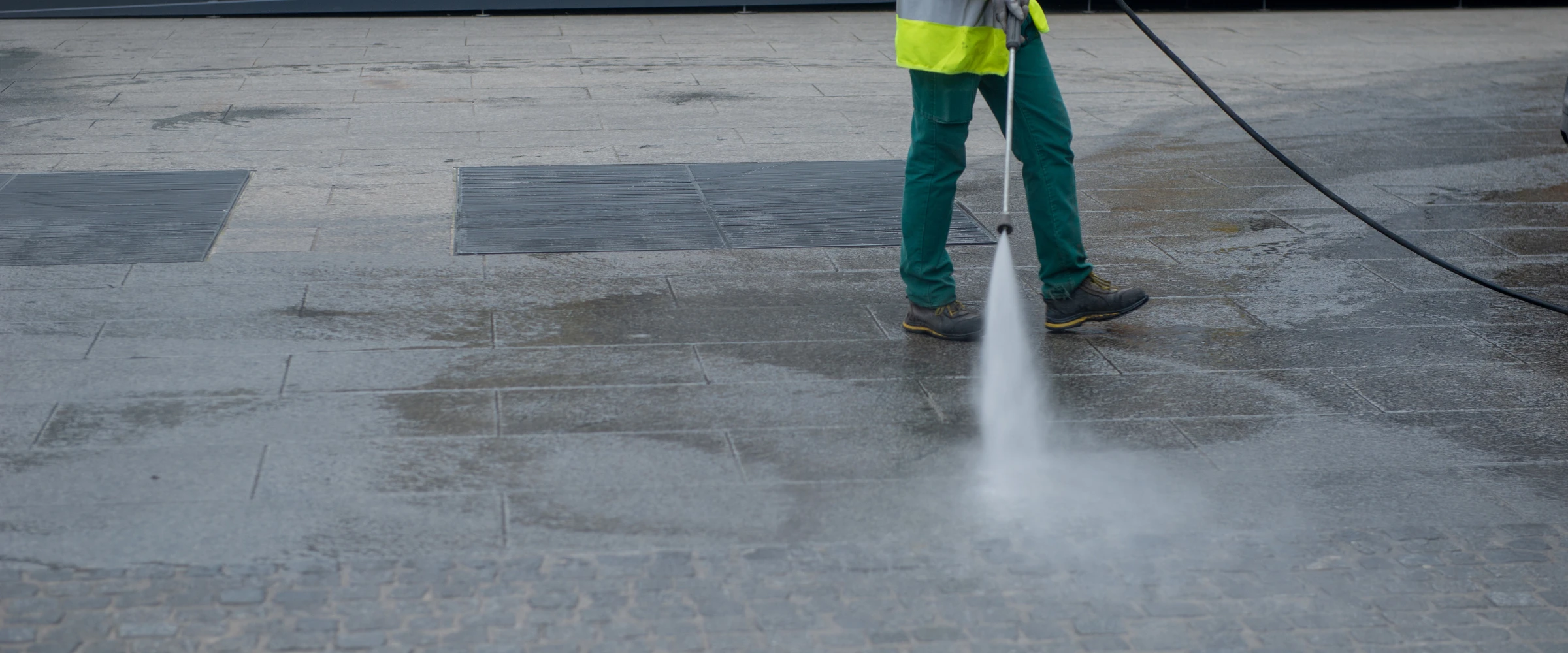
At The Trash Can Cleaning Company, we help homeowners in Gilbert, AZ, maintain cleaner driveways through our professional pressure washing services.
If persistent tire marks, road grime, or other stains are affecting your driveway's appearance, call us at 602-228-6108 or visit our Contact Us page to discuss your driveway cleaning needs.