What Types of Household Waste Make Trash Cans Smell the Worst?
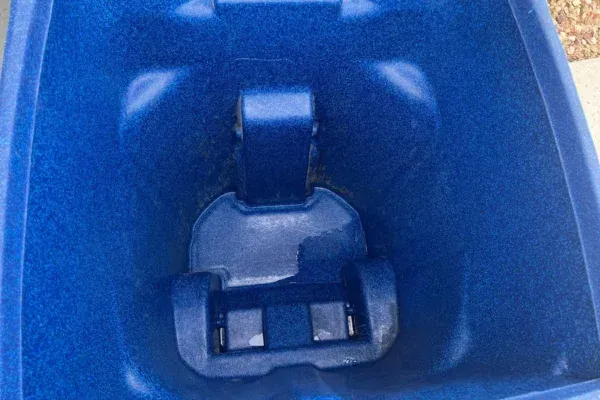
That unmistakable trash-can smell usually does not come from the bin itself. It comes from what gets left behind: leaking food juices, spoiled leftovers, grease, pet waste, moisture, and organic material stuck to the bottom or walls.
In Gold Canyon, Arizona, heat can make an already unpleasant situation more noticeable by accelerating the breakdown of organic waste. Regular trash can cleaning can help remove the residue that a quick emptying or hose rinse may leave behind.
Some household waste is much more likely than others to produce strong, lingering odors. Here are the biggest offenders and what you can do about them.
Food Scraps Are Usually the Biggest Source of Trash Can Odor
Food waste is one of the most common reasons an outdoor garbage can starts smelling long before trash day.
Once food begins breaking down, it can release strong odors. The problem becomes worse when scraps escape the bag and make direct contact with the bin.
Common examples include:
spoiled leftovers
meat scraps
fruit and vegetable waste
sauces and gravies
dairy products
cooked grains and pasta
discarded takeout food
food-covered paper products
A tied trash bag helps contain most of the mess, but even a small tear or leak can leave liquid behind. Once that residue settles into the bottom of the can or dries onto its walls, removing the bag does not remove the source of the smell.
This explains why an apparently empty trash can can still smell terrible.
Raw Meat, Poultry, and Seafood Can Produce Particularly Strong Odors
Few household wastes become unpleasant as quickly as discarded raw meat or seafood.
Packaging from chicken, beef, fish, and other animal products may contain juices even after the food has been removed. Bones, fat trimmings, skin, absorbent packaging pads, and spoiled meat can also create strong odors as they sit in a warm garbage can.
The practical problem is often liquid. A package placed in the trash may look contained, but juices can eventually reach the bottom of the garbage bag. If the bag develops a small hole, that liquid can collect in the bin.
To reduce residue between cleanings:
keep wet food waste well contained before placing it in the household trash
avoid overfilling bags until they stretch or tear
replace bags that are visibly punctured
check the bottom of the bin after collection for leaked material
Follow your local waste provider's rules for disposing of household waste.
Dairy Products Can Leave Sour, Lingering Smells
Old milk, yogurt, cheese, cream-based foods, and similar waste can develop a distinct sour odor.
A partially empty milk container tossed directly into a bin, for example, can leak as the cart is moved, tipped, or collected. Dairy residue can then coat the bottom of the container.
Rinsing loose debris out of the bin may help, but dried or greasy residue can require more thorough cleaning.
The same issue applies to foods containing dairy, such as:
creamy sauces
spoiled casseroles
pizza
salad dressings
desserts
melted ice cream
Liquids are especially troublesome because they can reach areas that solid waste does not.
Grease, Cooking Oil, and Fatty Foods Leave Stubborn Residue
Grease does more than smell unpleasant. It can leave a coating that catches additional dirt and food particles.
Hamburger grease, cooking fats, oily sauces, fried-food residue, and similar waste may escape from a bag and spread across the inside of a trash cart. Simply spraying water into the bin may remove loose material without fully lifting greasy buildup.
This is one reason a trash can can look reasonably clean at first glance but still smell when you open the lid.
Whenever possible, handle oils and fats according to appropriate household disposal instructions rather than pouring loose cooking oil into a trash bag or outdoor bin.
Pet Waste Can Create Strong Odors Fast
Pet waste is another common source of concentrated garbage-can odor.
Dog waste bags, used cat litter, soiled pet pads, and similar materials can make an outdoor trash cart smell considerably stronger, especially if individual waste bags open or tear inside the main garbage bag.
Containment makes a major difference. Securely closing pet-waste bags and avoiding overfilled trash bags can help keep the material from contacting the cart itself.
Cleaning the bin still matters when leakage occurs. Removing the garbage only removes the bulk waste, not whatever has collected on the container.
Diapers and Other Absorbent Hygiene Waste Can Hold Moisture
Used diapers and similar absorbent household waste can retain moisture and organic material for days between collections.
When those items are securely contained, the trash bag provides an important barrier between the waste and the cart. When a bag leaks, breaks, or gets compressed during normal use, however, moisture can spread inside the bin.
Because the source is concentrated, even relatively small amounts of residue may remain noticeable after pickup.
Spoiled Produce Can Turn Into Liquid at the Bottom of a Bin
A bruised apple or overripe tomato may not seem like a major odor problem when it goes into the trash. After several hot days, the situation can look very different.
Fruits and vegetables contain substantial moisture. As discarded produce decomposes, it may soften and release liquid.
Some particularly messy examples include:
melons
tomatoes
berries
citrus fruit
bananas
leafy greens
potatoes
onions
Loose produce can also slip out of bags and become crushed beneath other garbage.
The result is exactly the kind of organic buildup that may remain stuck to the bottom of a cart after collection.
Beverage Residue Can Create More Odor Than You Might Expect
A nearly empty soda cup, juice bottle, coffee drink, or other beverage may contain only a small amount of liquid, but several discarded containers can add up.
Sweet drinks can leave sticky residue. Dairy-based drinks add another source of organic material. Liquids may also carry food particles into seams, corners, and textured areas inside the bin.
Emptying permitted containers before disposal or recycling, according to local collection rules, can reduce the amount of liquid entering your carts.
Why Does an Empty Trash Can Still Smell?
The collection truck removes your garbage, but it does not necessarily remove everything that escaped from the bags.
After pickup, you may still have:
dried food residue on the walls
sticky liquid at the bottom
grease
tiny pieces of organic waste
material underneath the rim
moisture mixed with grime
Those residues can continue producing odors even though the trash can is technically empty.
This is also why simply adding an odor-control product may not solve the underlying problem. Fragrance or deodorizing products can help manage odors, but cleaning away the residue addresses the material producing them.
Why Gold Canyon Heat Can Make Bin Odors More Noticeable
Gold Canyon homeowners deal with the realities of Arizona heat, and outdoor trash cans can spend many hours sitting in high temperatures.
Warm conditions can accelerate the decomposition of food and other organic waste. That means leaked meat juices, spoiled produce, pet waste, and leftovers may become noticeably unpleasant more quickly than they would under cooler conditions.
Heat does not mean every trash can will smell terrible. A household that produces little food waste and keeps everything securely contained may have a very different experience from a household generating several bags of wet or organic waste each week.
The condition of the bin, frequency of leaks, household size, waste habits, and cleaning schedule all matter.
Smelly Waste Can Also Make Bins More Attractive to Flies
Flies are attracted to accessible food and organic waste, particularly when suitable material is available for feeding or reproduction.
A trash can containing exposed food residue, leaking garbage, or decomposing organic material may therefore be more attractive to flies than a cleaner container.
Keeping bags tied, closing the cart lid, removing spilled food, and cleaning accumulated residue can help reduce those conditions. Cleaning should not be treated as pest control, however, and no cleaning routine can guarantee that flies, maggots, ants, roaches, rodents, or other pests will never appear.
Why a Garden Hose May Not Remove the Source of the Smell
A homeowner can certainly improve a dirty garbage can with ordinary cleaning. A hose can remove loose debris, dust, and some surface residue.
The limitation is that water alone may not remove material that has dried, stuck, or become greasy.
Professional trash can cleaning is a different process from simply pressure washing a driveway. Our trash-can cleaning system uses custom-designed, self-contained equipment. Bins are positioned on hydraulic grabbers and cleaned using hot water and high-pressure spinning jets. Our equipment also collects the wastewater rather than allowing the cleaning water to run into storm drains.
The process is designed to clean and sanitize the bin, followed by deodorizing. That can provide a more thorough reset when residue has accumulated inside the container. New household waste can naturally create new odors afterward, so no cleaning should be viewed as permanent odor prevention.
How to Reduce Trash Can Odors Between Cleanings
A few everyday habits can limit how much odor-producing material reaches the cart itself.
Control leaks. Choose bags appropriate for the amount and type of waste you generate, and avoid pushing them past the point where they tear.
Keep wet waste contained. Food juices, pet waste, and other moist material are much more troublesome when they reach the bin.
Do not leave loose food in the cart. Even small scraps can be crushed against the bottom and remain there after collection.
Keep the lid closed when practical. This helps keep garbage contained and limits easy access for flies and other pests.
Check the bin after pickup. If you see a leak, stuck food, or pooled liquid, addressing it sooner prevents the material from sitting through another collection cycle.
Clean based on your household's actual needs. A household generating substantial food or pet waste may notice buildup sooner than one producing mostly dry, well-contained garbage.
We offer monthly, bi-monthly, quarterly, annual, and one-time cleaning options, so Gold Canyon households can choose a schedule that fits how their bins are actually used.
Useful Products and Resources for Managing Bin Odor Between Services
A few consumer products and authoritative resources can help you reduce leaks, clean small messes, or use household cleaners more responsibly. These are general options for homeowners and are not products we claim to use in our professional service.
Glad ForceFlex Kitchen Drawstring Trash Bags: Glad lists leak protection, rip and tear resistance, and puncture resistance among the features of these kitchen bags. A stronger kitchen bag can help reduce the chance that wet household waste reaches the outdoor cart.
Simple Green All-Purpose Cleaner: This concentrated household cleaner is intended for dirt, grease, and stains and carries U.S. EPA Safer Choice certification. If you use any cleaner on a trash container, follow its label directions and confirm that it is appropriate for the surface.
Rubbermaid trash containers: Rubbermaid's household containers illustrate useful features such as secure liner retention and easy-to-clean resin construction. A bag that stays properly positioned can reduce the chance of loose waste getting between the liner and the can.
EPA guidance on household cleaning products: The EPA advises consumers to read product labels carefully, follow directions, check surface compatibility, and never mix cleaning products. Those precautions are useful whenever you perform DIY bin cleaning.
Do not mix cleaners or improvise chemical combinations in an attempt to remove stronger odors. Follow the manufacturer's instructions for every product you use.
When Professional Trash Can Cleaning Makes Sense
Not every unpleasant smell means you need professional service immediately. If a bag leaked once and you can easily remove the residue, basic household cleaning may be enough.
Professional service becomes especially useful when sticky, greasy, or organic buildup repeatedly collects inside the cart, when odors continue after ordinary rinsing, or when you simply do not want to scrub the bins yourself.
For Gold Canyon households dealing with recurring food residue and Arizona heat, trash can cleaning can provide a more thorough cleaning process while fitting into whatever maintenance schedule makes sense for your household.
Frequently Asked Questions About Our Trash Can Cleaning Service
What does your trash can cleaning service include?
Our trash can cleaning service is designed to remove dirt, food residue, grease, bacteria, and odor from the interior of your trash cans. We use specialized equipment mounted on our cleaning truck to wash the bins with hot water and high-pressure spinning jets. The wastewater is collected by our equipment instead of being left on your driveway. After the bins are washed, we sanitize and deodorize them so you can enjoy cleaner, fresh bins after trash day.
How often should I have my trash cans cleaned?
The ideal schedule depends on your house, family, pets, and the amount of trash you produce. Homes that regularly deal with food waste, diapers, pet waste, flies, or smelly garbage cans may prefer service every month. Other customers may choose bi-monthly or quarterly bin cleaning. We also offer annual and one-time cleaning service options. You can choose a plan that makes sense for your bins, budget, and cleaning needs throughout the year.
When do you clean the bins?
We normally clean your trash bins after they have been emptied on trash day. This allows our truck and equipment to clean the interior of the cans without garbage getting in the way. For the best results, leave your empty bins available in the agreed service area after collection. Our goal is to make the process quick and easy, so you do not have to spend your day scrubbing trash cans yourself.
Can trash can cleaning help with bad smells?
Yes. A professional trash can cleaning can remove much of the residue that causes a strong smell or odor. Food liquid, grease, pet waste, spoiled food, and other garbage can stick to the bottom and sides of trash cans even after they are emptied. Cleaning removes that mess instead of simply covering the smell with fragrance. New trash cans create new odors over time, so regular service can help keep the cans cleaner between pickups.
Does bin cleaning help with bacteria, flies, and rodents?
Cleaning can remove food residue, grime, and other contamination that may collect inside garbage cans. It can also make trash bins less attractive to flies by removing some of the material they are looking for. However, no cleaning service can promise that bacteria, flies, rodents, or other pests will never return. Keeping bags tied, closing bin lids, cleaning spills quickly, and not leaving loose garbage in the cans are all great habits to try between cleanings.
What areas do you serve?
The Trash Can Cleaning Company serves homes and businesses across the Phoenix, AZ area. Our service area includes communities such as Mesa, Gilbert, Chandler, Tempe, Scottsdale, Paradise Valley, Glendale, Peoria, Goodyear, Litchfield Park, and nearby areas. If you are not sure whether we offer bin cleaning at your house or business, contact us for a quick quote. We will be happy to let you know if we currently service your area.
Do I need to be home when my trash cans are cleaned?
In most cases, you do not need to be home as long as your empty trash cans are in the correct location and our cleaning truck can safely reach them. That makes the service easy to fit into a busy family or work schedule. Before your cleaning today or any future service day, make sure the bins are empty and easy to access. Avoid placing them behind locked gates, cars, piles of leaves, or anything else that could block access.
How do I schedule trash can cleaning?
Scheduling is simple. Choose the cleaning plan that works best for your home or business, whether you want monthly, bi-monthly, quarterly, annual, or one-time service. If your cans are smelly, dirty, or have a mess that a garden hose cannot clean, you do not have to keep putting the job off. Contact The Trash Can Cleaning Company for a quote and available service times. Click our contact option or call us to learn more about trash can cleaning in Phoenix and surrounding AZ communities. We are happy to help you get cleaner trash bins without spending your own time scrubbing garbage cans.
Keep Odor-Producing Residue From Taking Over Your Bins
The worst trash-can smells usually have a straightforward cause: organic waste or liquid escaped its bag and stayed behind. Meat juices, dairy, spoiled produce, grease, pet waste, diapers, and other wet materials can all leave residue that continues smelling after collection day.
Better containment can reduce the mess. Periodic cleaning removes what containment does not catch.
If your Gold Canyon trash cans have accumulated stubborn residue or lingering odors, The Trash Can Cleaning Company can help. Call us at 602-228-6108 or Contact Us to discuss trash can cleaning service for your home.