Can a Cracked Trash Can Lid Make Cleaning and Odor Control More Difficult?
A cracked trash can lid might seem like a minor problem, especially when the rest of the bin is still in good condition. However, even a small crack can make it harder to keep your garbage can clean and control unpleasant smells.
Yes, a cracked trash can lid can make cleaning and odor control more difficult. Damage may allow rainwater, insects, and debris to enter the bin. It can also prevent the lid from closing properly, allowing existing garbage odors to escape more easily.
For homeowners in Arizona communities such as Chandler, Gilbert, Mesa, and Queen Creek, the combination of outdoor heat and household waste makes proper trash can maintenance especially useful.
Understanding how lid damage affects your garbage can can help you decide whether cleaning, repairing, or replacing the lid is the right next step.
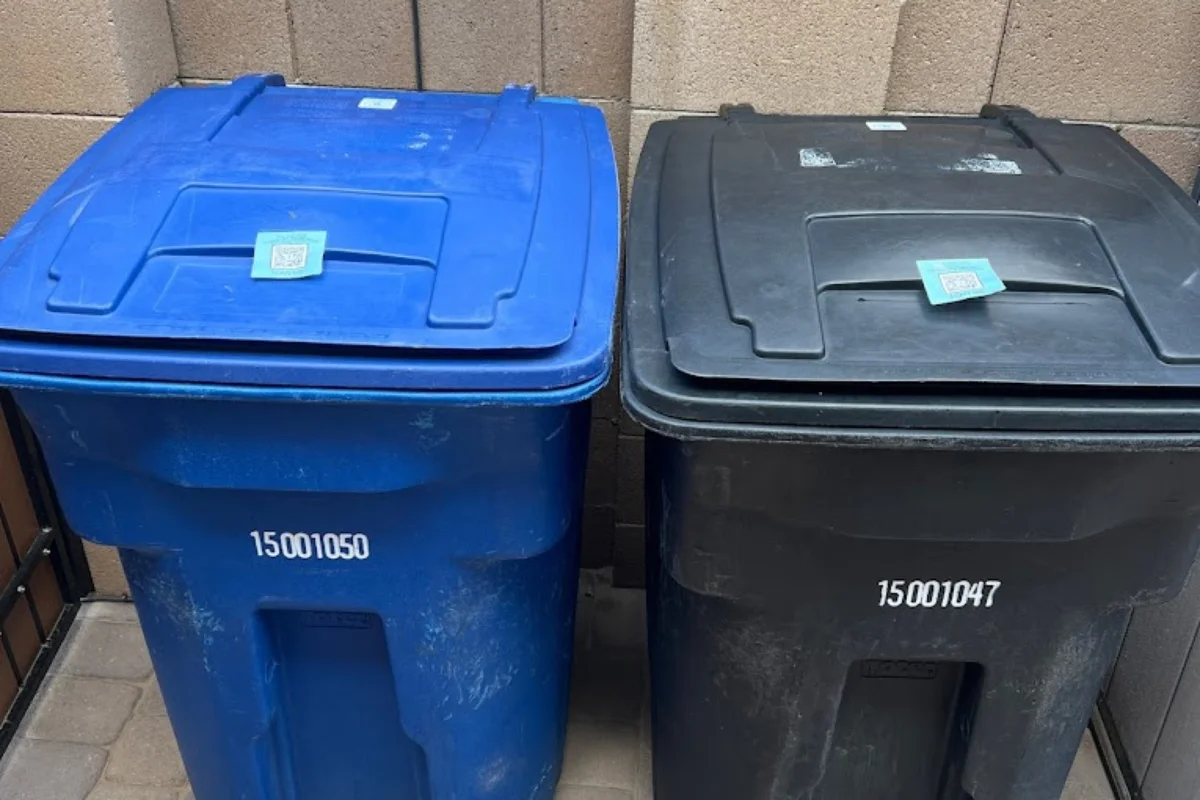
How a Cracked Trash Can Lid Affects Odor Control
A trash can lid serves a practical purpose beyond simply covering garbage. It helps separate household waste from the surrounding environment and limits exposure to outdoor conditions.
When a lid becomes cracked, warped, or loose, that protection becomes less effective.
Odors Can Escape Through Damaged Areas
Household garbage contains materials that naturally produce unpleasant odors as they break down. Food scraps, used packaging, liquid waste, and other organic materials are common sources.
An intact, properly closed lid helps contain some of those smells. A damaged lid may leave openings that allow odors to escape into nearby outdoor spaces.
You might notice the smell more strongly when walking past your garbage can, opening your garage, or spending time near the area where your bins are stored.
However, the lid itself usually isn't the original source of the odor. The smell generally comes from waste and residue inside the container.
Moisture Can Enter Through Cracks
A damaged lid may allow rainwater to enter the garbage can.
When moisture mixes with food scraps, packaging, and other waste, it can create a messy buildup at the bottom of the container.
This buildup is often difficult to remove with a quick rinse, particularly when liquid has collected underneath garbage bags.
Water entering through the lid can also leave the bin damp after trash collection, creating conditions where unpleasant odors continue to develop.
Cracks May Allow Insects to Enter
Flies are attracted to certain types of organic waste, especially decomposing food.
When a trash can lid no longer closes completely, insects may have easier access to the contents.
A cracked lid does not automatically cause a pest problem. However, an opening combined with exposed food residue can make the container more attractive to flies.
Keeping the bin clean and replacing a badly damaged lid can help reduce these conditions.
Why a Damaged Lid Can Make Trash Can Cleaning More Challenging
The condition of your trash can lid affects more than how well the container closes.
Cracks, damaged hinges, and uneven surfaces can also complicate routine cleaning.
Dirt and Residue Can Collect Inside Cracks
A smooth trash can lid is generally easier to wipe down or rinse.
Once the plastic develops cracks, small amounts of grime and residue may become trapped inside those openings.
These areas can be difficult to reach with ordinary household cleaning tools.
Although surface cleaning can remove visible dirt, deeper cracks may continue collecting debris during regular use.
A Broken Lid May Not Stay Open During Cleaning
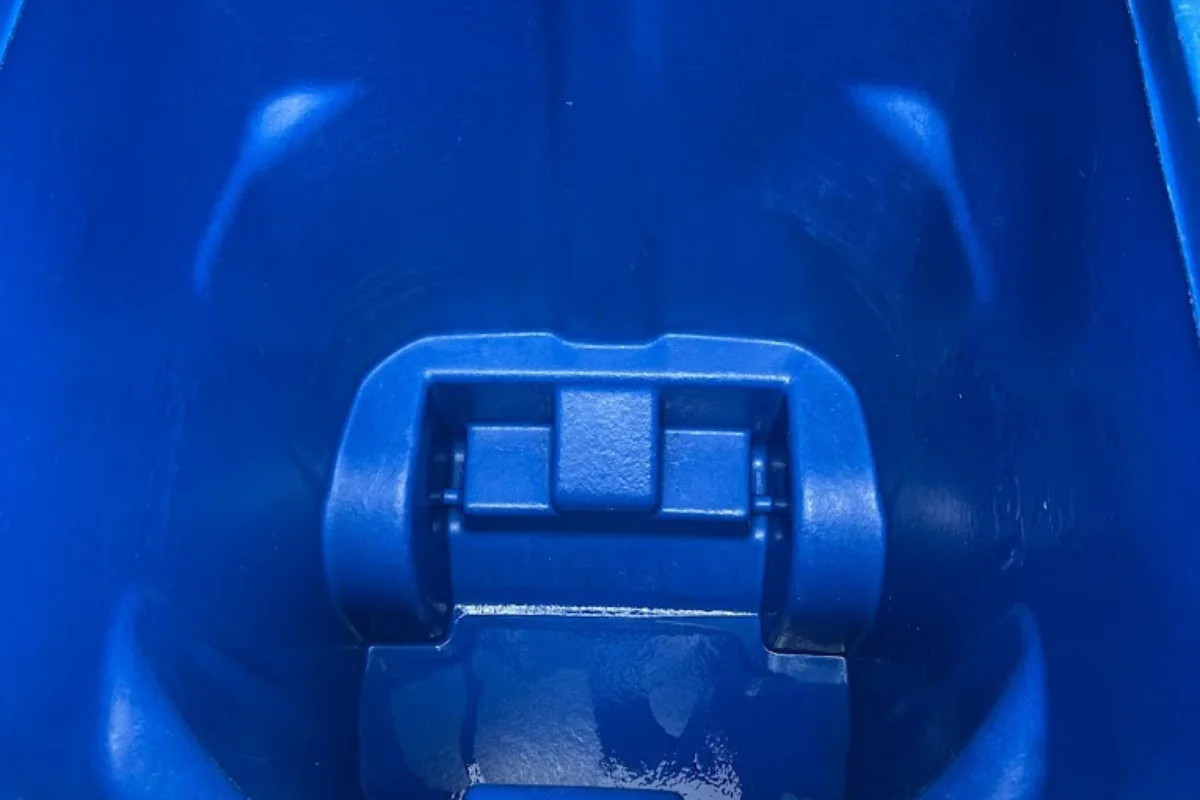
Some residential garbage cans have hinged lids that remain attached to the main container.
If the hinge or surrounding plastic becomes damaged, the lid may no longer move properly.
This can make it awkward to access the interior of the bin, especially when trying to clean the upper edges, walls, and underside of the lid.
A loose or unstable lid may also need to be held in position during cleaning.
Cleaning Cannot Restore Damaged Plastic
One of the most common misunderstandings about trash can maintenance is that thorough cleaning can solve every problem.
Cleaning removes dirt, grime, and organic buildup. It does not repair cracked plastic, broken hinges, or structural damage.
Even after the container has been cleaned, a damaged lid may continue allowing moisture or insects inside.
For that reason, addressing the physical damage is just as important as removing existing residue.
Does Arizona Heat Make Cracked Trash Can Lids Worse?
Arizona's hot climate can make garbage can maintenance particularly challenging.
Trash cans stored outdoors may spend long periods exposed to direct sunlight and elevated temperatures.
Over time, sunlight and environmental exposure can contribute to deterioration in certain plastic materials. Regular handling, impacts, and repeated opening and closing can also cause damage.
When a lid becomes brittle or weakened, cracks may develop around hinges, handles, or other areas exposed to repeated stress.
Heat also affects what happens inside the container.
Food waste may decompose more quickly in warm conditions, causing odors to become noticeable sooner.
For households in Chandler, Gilbert, Mesa, Queen Creek, and surrounding Arizona communities, maintaining a properly closing lid is a useful part of reducing outdoor garbage odors.
Still, replacing a cracked lid will not eliminate smells caused by accumulated residue. The interior needs attention as well.
How to Tell Whether Your Trash Can Lid Needs Replacement
Not every scratch or cosmetic imperfection means you need a new lid.
The more important question is whether the damage affects how the container works.
Check for the following signs:
Visible openings: Cracks or holes allow outside materials to enter the container.
Poor closure: The lid no longer sits evenly against the top of the bin.
Broken hinges: The lid hangs unevenly, becomes detached, or does not open properly.
Sharp plastic edges: Damaged areas may create a handling hazard.
Significant warping: The lid no longer fits the opening correctly.
Repeated damage: Previously damaged sections continue separating or cracking.
A small surface scratch may have little effect on the bin's performance.
A crack extending through the lid, particularly near a hinge or attachment point, deserves more attention.
If your garbage can was provided by a municipal collection service or private waste hauler, contact that provider before purchasing a replacement. They may have specific procedures for replacing damaged carts or lids.
For privately owned containers, check whether the manufacturer sells a compatible replacement lid.
Should You Repair the Lid or Replace It?
The best option depends on the extent of the damage and the type of garbage can.
When a Minor Repair Might Work
A small crack that does not affect the lid's fit or movement may not require immediate replacement.
For privately owned bins, a repair may be possible if the manufacturer provides suitable instructions or compatible replacement parts.
However, household adhesives or makeshift repairs may not withstand outdoor conditions or repeated handling.
Avoid applying products that could interfere with the lid's operation or leave sharp, exposed edges.
When Replacement Makes More Sense
Replacement is generally the more practical choice when the lid has a large opening, severely damaged hinges, or substantial warping.
A properly fitted replacement restores the physical coverage that the damaged lid can no longer provide.
If the entire garbage can is cracked or structurally unstable, replacing only the lid may not solve the problem.
Remember that cleaning and replacement address different issues.
A new lid helps restore proper closure, while cleaning removes the residue responsible for many persistent odors.
Can Professional Trash Can Cleaning Help With Odors Caused by a Cracked Lid?
Professional trash can cleaning can help remove accumulated grime and odor-producing residue, even when the bin has experienced lid damage.
However, cleaning cannot repair the lid itself.
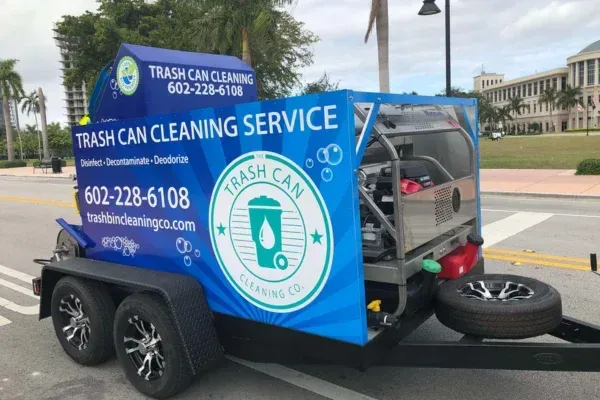
At The Trash Can Cleaning Company, we provide professional trash can cleaning for residential garbage bins throughout our Arizona service areas.
Our cleaning service includes deep cleaning, sanitizing, and deodorizing to address the dirt and buildup that ordinary trash disposal leaves behind.
Our curbside service also makes it convenient to maintain household garbage cans without having to scrub them yourself.
A garden hose may remove loose debris and visible dirt, but a quick rinse may leave behind stubborn residue along the walls, bottom, and corners of a container.
Professional cleaning offers a more thorough approach to maintaining the bin.
Still, if your trash can lid is cracked or no longer closes properly, fixing that damage remains an important part of long-term odor management.
Cleaning and proper lid maintenance work together.
Practical Ways to Reduce Trash Can Odors Between Cleanings
Even with a properly fitted lid, garbage cans need routine attention.
A few simple habits can help reduce unpleasant smells and prevent unnecessary buildup.
Keep Food Waste Properly Bagged
Loose food scraps can stick to the interior of a trash can or collect at the bottom.
Use appropriately sized trash bags and secure them before placing them inside the container.
Avoid overfilling bags to the point that they split during handling.
Clean Up Leaks Promptly
Liquid escaping from a garbage bag can leave residue inside the bin.
If you notice a leak after trash collection, remove the remaining debris and clean the affected area rather than allowing the liquid to sit.
Pay particular attention to the bottom corners, where residue can accumulate.
Avoid Overloading the Container
Overfilled trash cans can prevent lids from closing properly.
Repeatedly forcing a lid shut over oversized bags may also place unnecessary stress on hinges and plastic components.
Keep the waste below the level that allows the lid to close normally.
Allow the Bin to Dry After Washing
After cleaning your trash can, allow excess water to drain and the interior to dry before adding new trash bags.
This helps prevent unnecessary moisture from remaining at the bottom.
Choose a Cleaning Schedule That Fits Your Household
Cleaning frequency depends on how much waste your household produces and how quickly residue develops.
Homes that frequently dispose of food waste or experience leaking garbage bags may benefit from more frequent cleaning.
At The Trash Can Cleaning Company, we offer monthly, bi-monthly, quarterly, annual, and one-time cleaning options.
The appropriate schedule depends on your household's needs and how often your bins become dirty.
Useful Products and Resources for Trash Can Lid Maintenance
A few practical resources can help you understand replacement options and maintain cleaner garbage cans.
Rubbermaid Commercial BRUTE Self-Draining Lids
These replacement lids are designed for compatible Rubbermaid BRUTE containers. Their self-draining channels help reduce water collecting on the lid, while the fitted design helps keep the container covered.
They are not universal replacements for municipal rolling garbage carts, so check compatibility before purchasing.
Rubbermaid Commercial BRUTE Square Lids
These lids provide another example of container-specific replacement hardware. They are designed to fit designated BRUTE square containers and offer a secure closure.
The manufacturer and model of your existing trash can should determine which replacement lid you choose.
EPA Guidance on Cleaning, Sanitizing, and Disinfecting
The Environmental Protection Agency explains how cleaning, sanitizing, and disinfecting differ.
This resource can help homeowners understand why removing visible grime is not necessarily the same as sanitizing a surface.
EPA Guidance for Safe Disinfectant Use
This resource explains the importance of following product directions and using disinfectants appropriately.
Always confirm that a cleaning product is suitable for your bin's material, and never mix household cleaning chemicals.
Frequently Asked Questions About Cracked Trash Can Lids
Can I Still Use a Trash Can With a Cracked Lid?
You may be able to continue using a container with minor cosmetic damage if the lid remains secure and closes properly. However, larger cracks, broken hinges, or sharp edges may make replacement necessary.
If your collection provider owns the cart, ask about its repair or replacement policy.
Will Replacing the Lid Get Rid of Garbage Odors?
A new lid can help contain odors by restoring a more complete closure, but it will not remove existing grime or organic residue.
If the container already smells unpleasant, cleaning the interior is still necessary.
Can Rainwater Enter Through a Small Crack?
Yes. Depending on the location and size of the crack, rainwater may pass through the damaged area.
Water entering the container can mix with garbage residue and leave additional moisture inside.
Can a Cracked Trash Can Lid Attract Flies?
A crack itself does not attract flies. However, openings may give insects easier access to food waste and organic material already inside the bin.
Properly securing garbage bags, maintaining the lid, and cleaning residue can help reduce conditions that attract flies.
Is It Safe to Tape a Cracked Garbage Can Lid?
Tape may temporarily cover a small crack, but it is not necessarily a durable repair.
Outdoor heat, moisture, and repeated movement may weaken the adhesive. For significant damage, a manufacturer-approved repair or replacement is generally more reliable.
Can Professional Cleaning Fix a Damaged Trash Can Lid?
No. Professional bin cleaning addresses dirt, organic residue, grime, and odors rather than structural damage.
A cracked lid should be repaired or replaced separately when its condition affects the container's operation.
How Often Should I Clean a Trash Can With a Damaged Lid?
There is no universal cleaning schedule for a damaged container.
If moisture, food residue, or insects are entering through the opening, clean the affected areas promptly and address the lid damage. More frequent cleaning alone does not replace the protection of a properly closing lid.
Should I Replace the Entire Garbage Can or Just the Lid?
If the main container is structurally sound and a compatible replacement lid is available, replacing only the lid may be sufficient.
If the bin is severely cracked, unstable, or damaged around the lid attachment points, replacing the complete container may be more practical.
Keep Your Trash Can Clean and Your Lid in Good Condition
A cracked trash can lid can make odor control and routine cleaning more difficult, particularly when the damage allows moisture, insects, or debris to enter the container.
Replacing a damaged lid helps restore proper closure, but keeping the interior clean is equally important.
For homeowners dealing with lingering garbage odors, sticky residue, or dirty bins, regular trash can cleaning can help maintain a fresher container.
At The Trash Can Cleaning Company, we help homeowners in Chandler, Gilbert, Queen Creek, Mesa, and surrounding Arizona communities keep their garbage cans cleaner with professional deep cleaning, sanitizing, and deodorizing services.
If your trash can needs a thorough cleaning after dealing with lid damage or persistent odors, call us at 602-228-6108 or visit our Contact Us page to discuss your cleaning needs.